Roofs in Norwich earn their keep. They sit in the crossfire of North Sea gusts, inland damp, and the occasional week of high summer that bakes ridge lines and softens lead. Over a year, thermal expansion, driving rain, and moss growth will test whatever sits above your rafters. A good roof survives that cycle. A well‑maintained roof barely notices it.
I have spent enough damp mornings on scaffolds across Thorpe St Andrew, Eaton, and the Golden Triangle to know that preventive care in our climate is not a luxury. It is routine. The following seasonal guide reflects how roofs in Norwich behave month to month, the materials we typically see here, and what homeowners can do safely before calling in a specialist. Where professional help is prudent, I’ll say so plainly. Whether you use an independent contractor or a local firm such as Norwich & Norfolk Roofers, timing and method will save you money and stress.
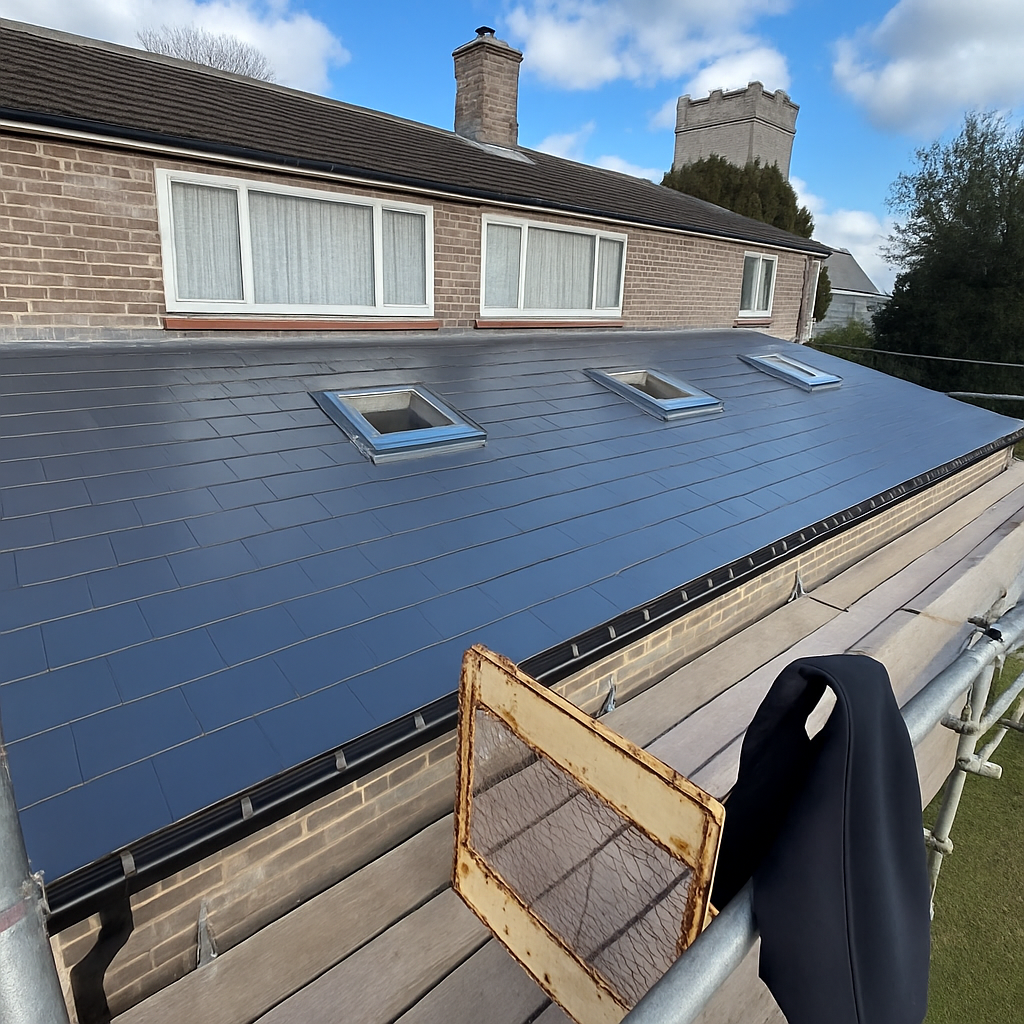
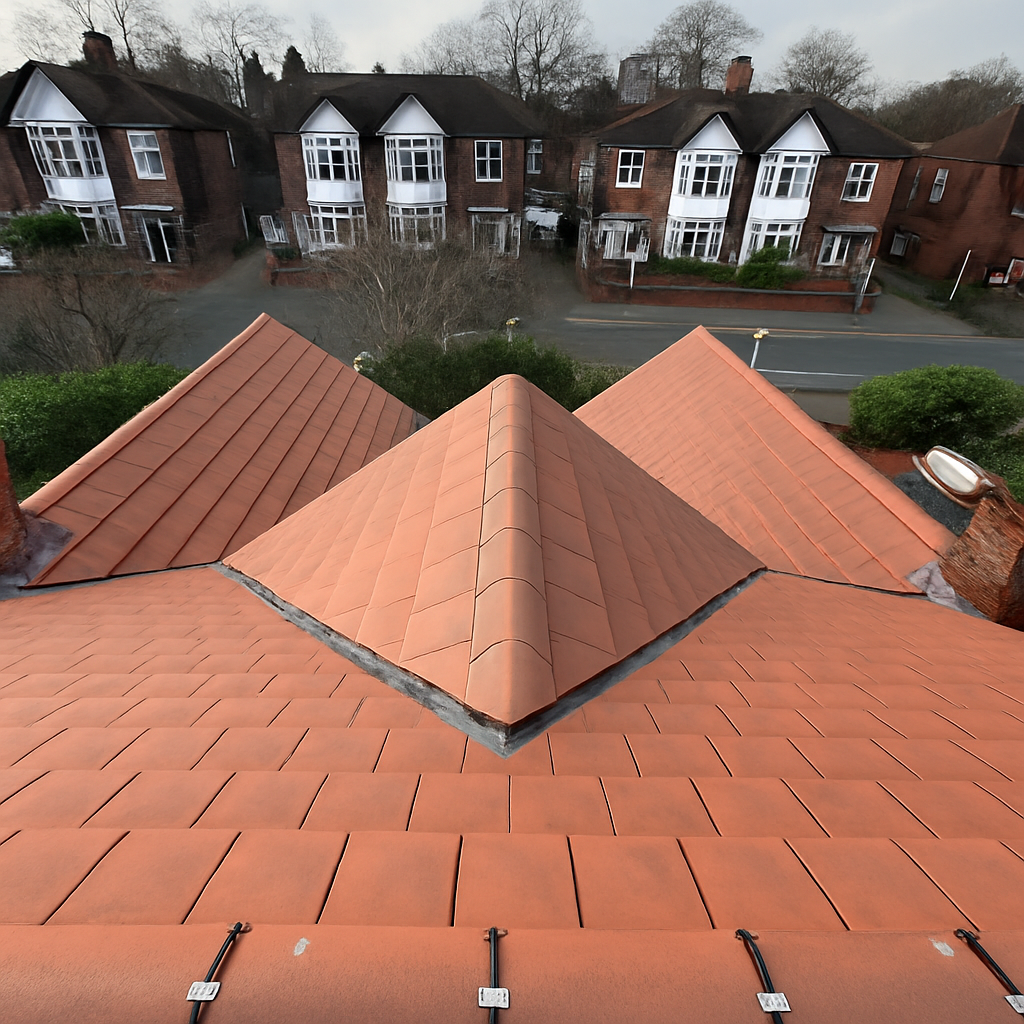
What Norwich weather really does to a roof
Norfolk’s weather looks moderate on paper, yet it’s the variability that does the damage. Alternating wet and dry periods swell and shrink timber battens. Salt‑tinged winds can work fine grit under clay and concrete tiles. Frosting in February can open microcracks that summer heat later widens. On low‑pitch roofs, especially over extensions from the 1990s onward, pooling rain finds any weakness in a membrane. Older terraces near the city center often carry handmade clay tiles or slate; both are durable, but both require attentive detailing around chimneys and valleys. Rural properties with wide eaves collect leaf litter and seed that encourage vigorous moss.
These aren’t theoretical risks. They’re patterns you see by March, again in July, and certainly by November. A seasonal rhythm to inspections and small fixes keeps these pressures from becoming leaks.
Early spring: wake the roof up gently
Once hard frosts recede and winds calm, take a deliberate look at the roof from the ground. Use binoculars or a decent phone zoom, not a shaky ladder session. In our region, spring often reveals dislodged ridge tiles, lifted lead flashing, and first blooms of moss on north‑facing slopes. Don’t ignore gutters; winter debris gathers at junctions and overflows down your fascia.
Focus on three areas: the water plane, the edges, and the penetrations. On the plane of the roof, look for stepped misalignment in tiles or slates, which suggests slipped fixings. On edges, check verge mortar for hairline splits and eaves felt for sagging. Around penetrations, meaning chimneys and roof windows, scan for thrice‑repaired sealant beads. Silicone is a stopgap; decent flashings and cover flashings should do the seal.
If you’re comfortable with safe access, you can lift small clumps of moss with a plastic scraper while standing on a roof ladder or from a scaffold tower. Avoid wire brushes that score tile faces. If anything feels spongy underfoot, stop immediately and bring in a roofer. A spring tune‑up from a local team like Norwich & Norfolk Roofers typically pairs debris removal with minor repointing and replacement of cracked tiles, and it runs faster before summer schedules fill up.
Gutters, downpipes, and the Norwich leaf problem
Even in streets with fewer trees, wind‑borne debris collects in gutters here. Fine silt from winter storms beds in behind the first few courses of tiles. That silt holds water, which finds the path of least resistance into soffits. I have seen brand‑new fascias stained within a year because nobody cleared a single elbow joint.
When cleaning, run water from the highest accessible point and watch the discharge at ground level. A good downpipe pushes a steady stream; a blocked one burps. In cast‑iron systems on older homes, rusted joints often sit behind decorative shoes. If you hear clanking while clearing, don’t wedge tools into joints and twist. Cast iron cracks under torsion, and a replacement section requires correct diameter matching and repainting. Modern uPVC is more forgiving but sags when brackets have pulled back from rotted fascia boards. Spotting early sag saves a much bigger repair later.
Summer: heat reveals different weaknesses
Heat is Norwich’s quiet antagonist. South‑facing slopes get several hours of direct sunlight even on mild days. Concrete tiles expand, and the mortar at ridges and verges can powder if it was poorly mixed or is at end of life. You might not see chunks missing, but a finger rub that produces gritty dust is your sign.
Summer is also the right time to address ventilation. Many of the lofts I inspect in NR1 to NR7 suffer from stale air. Heat builds under membranes, then moisture from the house collects overnight and condenses. The symptoms are simple: a musty smell, sweating nail heads, or blackened rafters near the eaves. Ridge vents and eaves vents, properly balanced, lower peak temperatures and reduce condensation. This is not a decorative tweak. Good airflow extends felt and timber life by years.
Flat roofs deserve particular attention in summer. Felt, single‑ply membranes like EPDM, and fibreglass (GRP) all tolerate heat differently. EPDM remains supple, which is good, but poor detailing around skylights can lift in sustained sun. GRP stays rigid, which prevents creep, but hairline fractures at corners reveal themselves when the resin expands. Use summer’s dry days to address detailing, not November’s drizzle.
The moss and lichen question
Norwich roofs often carry a healthy crop of moss, especially on older clay tiles and shaded sides. Moss isn’t inherently destructive, but it holds moisture against surfaces and can creep into laps, lifting tiles enough to let wind-drive rain underneath. On slate, heavy moss can pry up fixings over time. Aggressive power washing looks satisfying and does long‑term harm by stripping the surface finish or scouring edges. I have replaced entire slopes prematurely after an over‑enthusiastic clean.
Chemical biocides have their place. If applied correctly in dry weather, they halt growth, and the dead moss weathers away over several months. Choose products designed for roofing, with run‑off in mind, and respect nearby gardens and water features. On listed properties, consult the conservation officer before any treatment. Many homeowners combine a gentle manual removal with a light biocide application in late summer. That timing gives the roof a clean start before autumn rains.
Autumn: get the roof ready to shed and breathe
Autumn is the decisive season. The job is to keep water moving where it should and block the pathways where it shouldn’t. That means clear gutters, clean valleys, robust flashings, and well‑secured ridges.
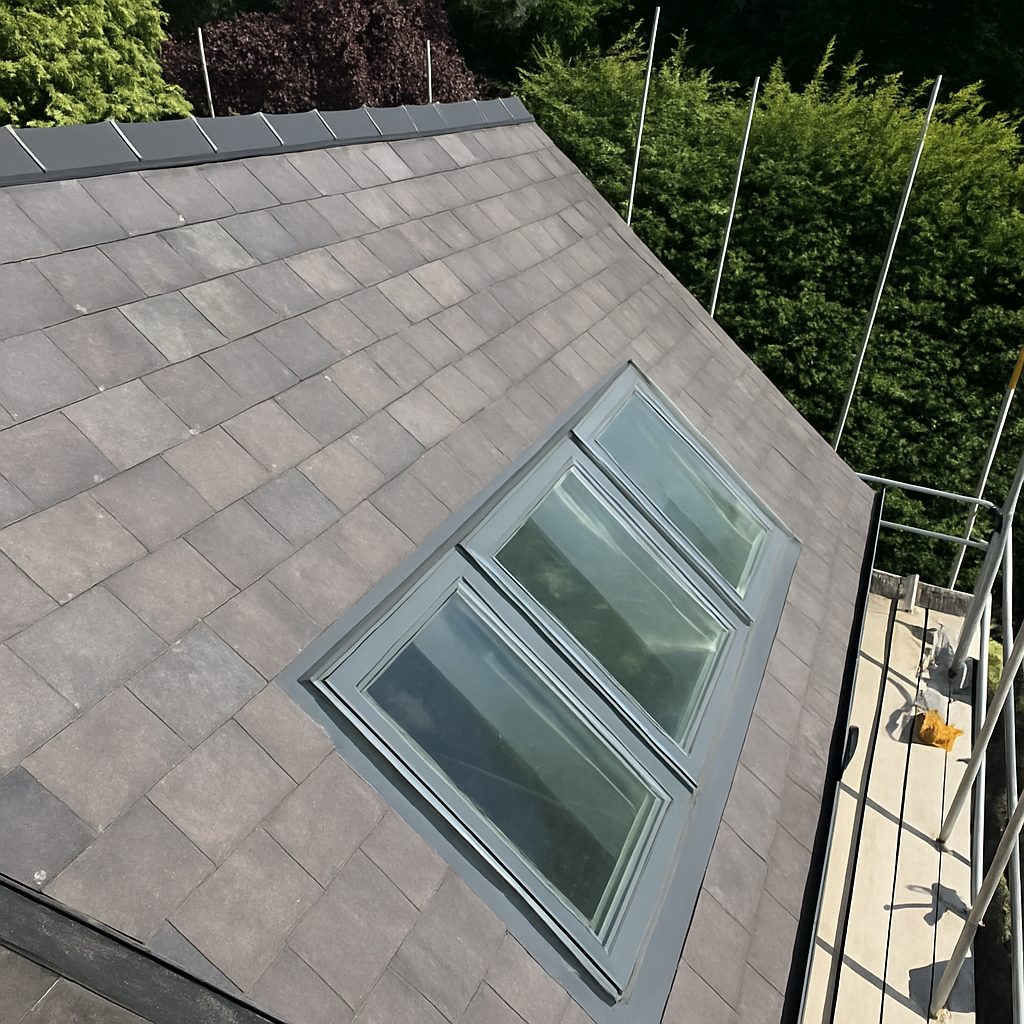
Valleys collect the most trouble. In Norwich, you’ll find three common types: lead valleys on slate roofs, GRP valleys on tile roofs, and interlocking tile valleys. Each fails differently. Lead splits can be hairline and invisible from the ground, yet a downpour sends a fine sheet of water under the slate. GRP can delaminate at the edges if tiles below were cut tight, limiting expansion. Interlocking tile valleys do well until a slipped piece opens a channel. An experienced eye spots these quickly, but homeowners can look for telltales such as staining on the underlay at the valley line seen from inside the loft, or damp patches on upstairs ceilings that align with valley positions.
Flashings deserve more than a glance. Chimneys in Norwich often stack above ridge height and take full wind force. Lead flashing should be dressed into a correct chase cut and mechanically secured, not just sealed. If you see wide beads of mastic bridging the gap between brick and lead, that is a short‑timer waiting for a storm. Step flashings must overlap properly, especially on the windward side. Also check the condition of the chimney cap and pots; loose pots rattle, then tumble at the worst moment.
If your home uses dry ridge or dry verge systems instead of mortar, autumn is the time to ensure fixings are snug. Dry systems perform well in our weather if installed with correct clips and breathable roll. Poorly fitted dry products rattle, admit wind, and lead to annoying hums in certain gusts. A small readjustment now avoids winter callouts.
Winter: resist water, manage ice, and keep your attic dry
Norwich winters are rarely severe, but we see bursts of snow and freeze‑thaw cycles. Water intrusions discovered in winter often began months earlier, then expanded. If you’ve prepared in autumn, winter is more about vigilance and interior checks.
Inside the loft, inspect after heavy rain or a freeze. Use a torch to check felt seams, valley lines, and around chimney breasts. Drips are obvious; fine misting is not. A hand passed near suspect areas can feel tiny drafts where wind has lifted underlay or where birds have pecked access at eaves. Bird guards at the eaves are a sensible addition for many homes, preventing nests that block airflow and trap moisture.
Ice dams, while less common here than in hillier regions, do occur on low‑pitch roofs where insulation is irregular. Warm spots melt snow, it re‑freezes at the colder eaves, and water backs up under tiles. The cure is almost never de‑icing cables along the eaves; it is continuity in insulation and a clean airflow path from eaves to ridge that keeps the roof deck cold and even.
When storms hit, resist the urge to climb out in the dark to reposition a tile. Temporary interior measures, like placing a tray to catch a drip and moving belongings, are safer. Call a roofer when the weather eases. Reputable outfits in Norwich, including Norwich & Norfolk Roofers, triage storm damage and will secure the roof quickly, then schedule permanent repairs.
Material specifics: slate, clay, concrete, and flat roofing in Norwich
Different materials demand different maintenance habits.
Natural slate remains common on Victorian and Edwardian terraces. Properly installed, it lasts a century or more. Most failures come from nail fatigue or slipped slates where nibs have worn. Copper or stainless hooks can secure individual slates without lifting large sections, but indiscriminate hooking looks messy and suggests underlying batten issues. If you see several slips, consider a more thorough repair that addresses fixings and battens rather than chasing slips each season.
Clay tiles on pre‑ and post‑war houses vary in thickness and porosity. Handmade tiles weather beautifully but are unforgiving of poor ventilation and heavy moss. Machine‑made clay tiles resist water better but can craze with age. Clay moves more than concrete with temperature changes, so pay attention to ridge and verge detailing.
Concrete tiles dominate many post‑1960s estates. They are robust, heavy, and forgiving of minor installer error. Their weight, however, places ongoing stress on fixings. Mortar bedding under ridges on older roofs eventually expires. Upgrading to a dry ridge system during a summer maintenance window reduces future callouts.
Flat roofs are no longer a liability by default. Torch‑on felt, EPDM, and GRP each can exceed 20 years with smart detailing. Most leaks trace to edges and penetrations, not the field. On EPDM, look at terminations and corners. On GRP, watch for star cracks near upstands. On felt, seams need proper bleed lines; a seam without bitumen bleed is a suspect seam.
Loft insulation, ventilation, and the hidden battle against condensation
Homeowners often focus on tiles and miss the fight beneath them. Norwich homes, especially those retrofitted with modern insulation, can trap moisture. Warm air rises, meets a cold surface, and condenses. The fix is a balance.
Insulation should be continuous, but not stuffed into eaves so tightly that it blocks airflow from soffit vents. A common pattern: the first 300 mm at the eaves is overfilled, soffit vents do nothing, and rafters darken with mold while the middle of the loft looks fine. Baffles or rafter trays keep a clear path. At the ridge, consider a breathable ridge system rather than relying only on gable vents. In bathrooms and kitchens, ensure extractor fans vent outdoors, not into the loft. I have traced brown ceiling halos to nothing more exotic than a shower fan duct that slipped loose in winter.
Safety, access, and when to call a professional
Roofs are unforgiving places to learn on the job. In Norwich, many properties have steep pitches and delicate materials. Ladders on wet ground, slate footing, and gusty wind make for accidents. If you’re going beyond a look and light cleaning from a tower, plan for scaffold or at least a properly secured roof ladder with a tie‑off. Never step on brittle old corrugated garage roofs. They fail without warning.
There is also insurance to consider. Some home policies frown on DIY roof work that leads to damage. Professional roofers carry public liability and, on larger projects, employers’ liability insurance. Good firms also register warranties on materials, which matters for high‑value membranes and dry ridge systems.
If you want a simple rule: anything involving replacement of flashings, work at ridges, or repairs near valleys merits a professional. So does any investigation that requires lifting more than a couple of tiles. Local contractors, including Norwich & Norfolk Roofers, know the material palette here and the details that play well with local weather and planning constraints.
Seasonal maintenance calendar for Norwich homes
Use this as a rhythm rather than a rigid schedule. Weather shifts year to year, but the order holds.
- Early spring: visual check from the ground, remove light moss, clear gutters, note any slipped tiles, check chimney flashings and pots, confirm downpipe flow with a hose. Early summer: evaluate ridge and verge condition, address ventilation, service flat roof edges and penetrations, apply a gentle biocide if moss is active. Early autumn: thorough gutter and valley clean, secure dry ridge and verge fixings or repoint mortar as needed, confirm bird guards at eaves, inspect loft for condensation signs. Midwinter: after storms or freezes, inspect the loft for drips or drafts, manage interior moisture, schedule secure‑and‑repair visits rather than attempting night fixes.
Real examples from local roofs
A terrace off Unthank Road with slate and a brick chimney developed a persistent brown stain on a bedroom ceiling that seemed to move. The owner had patched plaster twice. From the roof, the flashing looked visually intact, but close inspection showed a shallow step detail on the windward side, tucked less than the recommended depth into the chase. In a stiff easterly, fine rain ran behind the lead. A new stepped flashing, chased and wedged correctly, ended a two‑year annoyance. The roof did not need wholesale work, just a sound detail.
A bungalow in Hellesdon with concrete tiles and a large sycamore out front had recurring gutter overflow. The owner installed simple plastic gutter guards, which reduced leaves but trapped fine samaras and silt. Over a summer, the trapped debris hardened into a mat. We removed the guards, adjusted the fall on the run, and installed larger outlets. The problem disappeared, and cleaning became simpler. Guards can help, but only when matched to the debris type and pitched correctly.
A flat‑roofed extension in Taverham used EPDM with skylights. Leaks appeared only during hot weeks. The cause was thermal movement pulling on poorly bonded corners around the curb upstands. A small re‑detailing with preformed corners and primer resolved it. The membrane field was perfect, yet the edges failed under heat. That pattern repeats across flat roofs: ninety percent of issues live in ten percent of the area.
Cost ranges and sensible budgeting
Prices fluctuate with material cost and access, but rough local ranges help with planning. Replacing a handful of tiles or slates and securing a small flashing might sit in the low hundreds, especially if access is straightforward. A full day with two roofers on ridge repointing or dry ridge upgrades may land in the high hundreds to low thousands, depending on ridge length and whether scaffold is required. A flat roof re‑detail around a skylight can be a few hundred if the membrane is otherwise sound. Valley replacements widen the bracket, from several Norwich & Norfolk Roofers hundred for short GRP valleys to a couple of thousand for complex lead valley work with scaffold on tight streets.
Budget with prevention in mind. Spending a few hundred in autumn avoids ceiling repairs, redecoration, and the internal disruption that follows a winter leak. The most expensive repair is often the one done in a hurry after water has already traveled.
What to ask a roofer in Norwich
Keep the conversation practical and specific. If you invite quotes from local firms, including Norwich & Norfolk Roofers, ask for photos of defects and proposed fixes. Request details on materials by type and brand, not just “membrane” or “tile clips.” Confirm how they will access the site and protect neighbors’ property in tight terraces. For heritage roofs, ask how they will match slate or clay tile colors, and whether they will use lead to the correct code for flashing thickness. For dry systems, confirm ventilation compatibility with your loft insulation. On flat roofs, ask about warranty terms and whether the installer holds manufacturer approval for the system specified.
Small habits that extend a roof’s life
Two habits cost little and pay dividends. First, keep nearby trees trimmed back so branches don’t scuff tiles and gutters don’t fill weekly. Second, look up after heavy weather. A quick scan now becomes a note on your calendar, which turns into a simple call before a minor issue grows teeth.
Roofing in Norwich rewards attention to detail and a seasonal rhythm. Our roofs don’t demand constant fussing, but they do respond to timely care. Whether you stand in your garden with binoculars or call a trusted local team, treat the roof as a working system that breathes, moves, and sheds water. Do the right thing at the right moment, and your roof shrugs off the next year’s weather as just another set of days.